If you're dealing with Polycystic Ovary Syndrome (PCOS), you've probably heard a hundred times that you should "eat healthy." It's frustratingly vague, right? The truth is, diet isn't just one piece of the PCOS puzzle—it's often the cornerstone. What you eat directly influences the two core drivers of most PCOS cases: insulin resistance and inflammation. Getting your diet right can be more powerful than any single supplement or quick fix. This isn't about a temporary weight loss fad; it's about using food as a precise tool to rebalance your hormones, tame frustrating symptoms like acne and irregular cycles, and build sustainable energy. Let's cut through the noise and talk about what actually works.
Your PCOS Nutrition Roadmap
Why Diet is Non-Negotiable for PCOS
Think of your body's hormones as a complex web. Tug on one thread, and others move. In PCOS, the thread we often need to focus on first is insulin. When cells become resistant to insulin's "open up for sugar" signal, your pancreas pumps out more and more of it. This high insulin level is like a bull in a china shop for your ovaries—it tells them to produce excess testosterone, which leads to those classic symptoms: acne, hair loss, hirsutism, and messed-up ovulation.
Chronic, low-grade inflammation is the other silent partner. It worsens insulin resistance and further disrupts hormonal signals. Where does this inflammation often come from? You guessed it: our modern diets high in processed foods, sugars, and certain unhealthy fats.
The Expert Angle: Many generic "healthy" diets fail PCOS because they don't aggressively target insulin. A common mistake I see is focusing solely on calories or fat grams while still consuming high-glycemic carbs like white bread, sugary cereals, or even some "healthy" smoothies. For someone with PCOS, a 200-calorie bowl of sugary cereal can be more hormonally disruptive than a 300-calorie bowl of steel-cut oats with nuts and berries.
Research, like that compiled by the Harvard T.H. Chan School of Public Health on carbohydrates and blood sugar, consistently shows that the type of carbohydrate matters profoundly for metabolic health—the cornerstone of PCOS management.
The Three Pillars of a PCOS-Friendly Diet
Forget rigid rules. Build your eating style on these three pillars, and you'll naturally support your body.
1. Manage Blood Sugar with Low-Glycemic, High-Fiber Carbs
This is your number one job. Ditch the blood sugar rollercoaster. Choose carbohydrates that digest slowly, providing steady energy without the insulin spike.
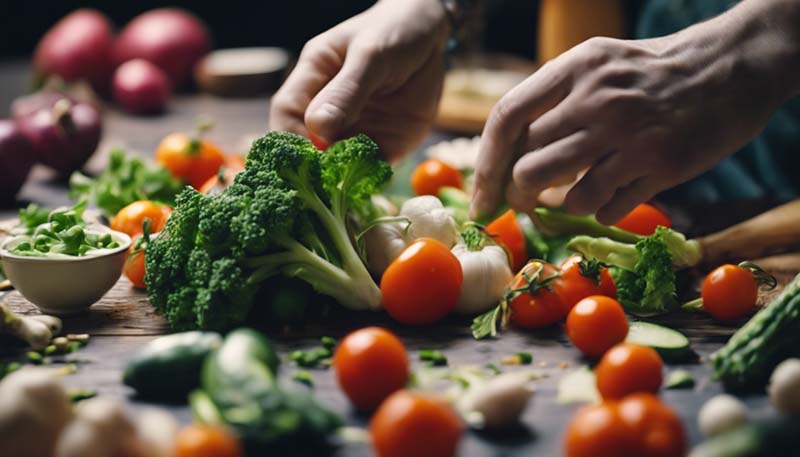
- Embrace: Non-starchy vegetables (broccoli, leafy greens, peppers), legumes (lentils, chickpeas, black beans), whole grains like quinoa and farro, and most fruits (especially berries).
- Limit/Time Carefully: Refined grains (white pasta, white rice, most bread), sugary snacks, and even starchy veggies like potatoes. Have these rarely, and always paired with protein and fat.
2. Fight Inflammation with Every Meal
Make your plate colorful with anti-inflammatory powerhouses.
- Omega-3 Fats: Your allies. Think fatty fish (salmon, sardines), walnuts, chia seeds, and flaxseeds.
- Antioxidant-Rich Foods: Berries, dark leafy greens, turmeric, ginger, green tea, and dark chocolate (85%+).
- Healthy Fats: Avocado, olive oil, nuts, and seeds help reduce inflammation and keep you full.
3. Prioritize Protein and Healthy Fats for Satiety & Hormone Production
Protein isn't just for building muscle; it's crucial for keeping you full, stabilizing blood sugar, and providing building blocks for hormones. Don't shy away from healthy fats—they're essential for hormone production and absorbing fat-soluble vitamins.
| Food Category | Excellent Choices (Prioritize These) | Choices to Limit or Avoid |
|---|---|---|
| Carbohydrates | Quinoa, oats (steel-cut), sweet potato (in moderation), all legumes, berries, apples, non-starchy vegetables. | White bread, pasta, rice, sugary cereals, pastries, soda, fruit juice, candies. |
| Protein | Grass-fed/pastured meats, poultry, eggs, fatty fish (salmon, mackerel), lentils, chickpeas, tofu, tempeh. | Processed meats (sausages, hot dogs), fried meats, breaded proteins. |
| Fats | Avocado, olive oil, nuts (almonds, walnuts), seeds (chia, flax, pumpkin), fatty fish. | Trans fats (partially hydrogenated oils), excessive vegetable oils (soybean, corn), fried foods. |
| Dairy (if tolerated) | Full-fat Greek yogurt, kefir, hard cheeses. Some find A2 milk or goat/sheep dairy easier. | Sweetened yogurts, processed cheese spreads, sugary flavored milks. |
How to Build Your PCOS Plate: A Visual Guide
Stop overthinking calories. Use this simple plate model for every main meal.
- Fill Half Your Plate with Non-Starchy Vegetables. This is volume, fiber, and nutrients. Spinach, kale, broccoli, cauliflower, zucchini, peppers, mushrooms—the more color, the better.
- Dedicate a Quarter to Quality Protein. A palm-sized portion. Chicken, fish, eggs, tofu, or lentils.
- Use a Quarter for Low-Glycemic, Fiber-Rich Carbs. A fist-sized portion. This could be 1/2 cup of cooked quinoa, a small sweet potato, or a generous serving of black beans.
- Add a Thumb-Sized Serving of Healthy Fat. A drizzle of olive oil on your veggies, 1/4 avocado, or a small handful of nuts/seeds sprinkled on top.
Real-World Example - Lunch: A large bed of mixed greens and spinach (half the plate), topped with a grilled chicken breast (quarter plate), 1/2 cup of cooked lentils (quarter plate), cherry tomatoes, cucumber, and a dressing made with olive oil, lemon juice, and herbs (healthy fat).
Getting Started: Your Action Plan
Feeling overwhelmed? Start here. Pick one thing this week.
Step 1: The Pantry & Fridge Reset
Go through your kitchen. Donate or discard the obvious saboteurs: sugary breakfast cereals, white bread, crackers, cookies, soda, sugary condiments. Replace them with staples: rolled oats, canned lentils and beans, frozen berries, nuts, seeds, olive oil, and plenty of frozen vegetables for convenience.
Step 2: Master One Go-To Breakfast
Breakfast sets your metabolic tone for the day. Nail this one meal.
- Option A: 2 eggs scrambled with spinach and mushrooms, served with 1/4 avocado.
- Option B: 1/2 cup full-fat Greek yogurt mixed with 1/4 cup berries, a tablespoon of chia seeds, and a few walnuts.
- Option C: A small bowl of steel-cut oats cooked with cinnamon, topped with almond butter and a few raspberries.
Notice what's missing? Toast, sugary yogurt, fruit juice, cereal. Those are the common culprits.
Step 3: Plan for Snack Attacks
When you're hungry, you'll grab anything. Be prepared.
A Personal Note: I used to think "just have an apple" was good advice. For many with PCOS, a solo apple can still cause a blood sugar rise. Pairing it with a fat or protein—like an apple with a tablespoon of almond butter—makes it a PCOS-friendly powerhouse snack that actually keeps you satisfied.
Good snack combos: carrot sticks with hummus, a hard-boiled egg, a small handful of almonds, or a slice of turkey with cucumber.
The Bigger Picture: Lifestyle Synergy
Diet doesn't work in a vacuum. It's part of an ecosystem.
Sleep is Non-Negotiable: Poor sleep worsens insulin resistance and increases cravings for junk food. Aim for 7-9 hours. It's as important as your food choices.
Stress Management is Key: High cortisol (stress hormone) tells your body to store belly fat and can raise blood sugar. Find what lowers your stress—a 10-minute walk, deep breathing, journaling—and do it daily.
Move Your Body, But Gently: Excessive high-intensity exercise can spike cortisol. A mix of strength training (builds muscle, improves insulin sensitivity), walking, and yoga or Pilates is often more effective for PCOS than chronic cardio.