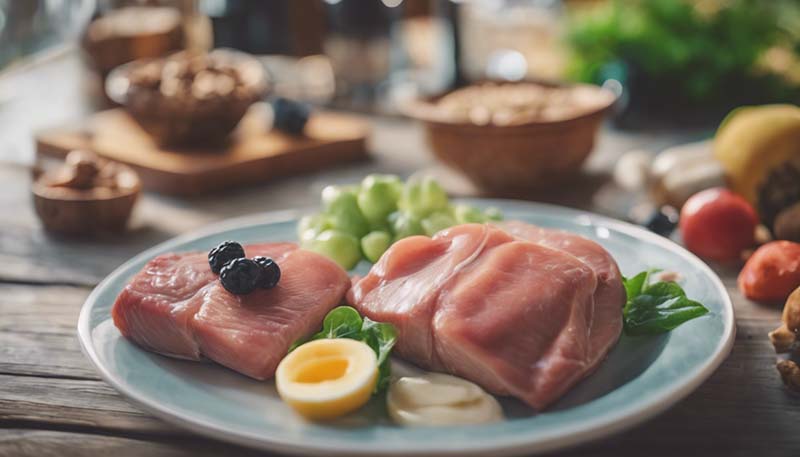
Let's cut to the chase. If you're worried about heart disease, stroke, or high blood pressure, the single most powerful tool you're not using to its full potential is probably on your plate right now. For years, I've watched patients and readers get tangled in confusing headlines about single nutrients—is butter back? Is coffee good or bad?—while missing the forest for the trees. The role of diet in cardiovascular disease isn't about one magic bullet; it's the consistent, cumulative effect of everything you eat, creating an internal environment that either fuels inflammation and plaque or promotes healing and clear arteries.
Your Quick Guide to a Healthier Heart
Forget Fads: The Dietary Patterns That Actually Win for Heart Health
Research from places like the American Heart Association doesn't champion a specific branded diet. Instead, it points to patterns. The two most studied and effective ones are the Mediterranean diet and the DASH (Dietary Approaches to Stop Hypertension) diet. They're not restrictive; they're frameworks.
Here's the non-consensus bit most articles miss: these diets work not because they're low-fat, but because they're high-quality-fat and high-fiber. The old "fat is bad" mantra did more harm than good, pushing people towards sugary low-fat snacks. The real goal is to shift your fat sources from processed and animal-based to mostly plant-based.
What Makes the Mediterranean Diet a Gold Standard?
It's not about eating Italian food per se. Think of the coastal regions of Greece or Southern Italy decades ago. The core is plants: vegetables, fruits, beans, nuts, seeds, and whole grains like farro or barley. Olive oil is the primary fat. Fish and seafood appear a couple times a week. Poultry, eggs, cheese, and yogurt are in moderation. Red meat and sweets are occasional guests. A glass of red wine with a meal? Common, but optional. The PREDIMED study, a landmark trial, showed this pattern could reduce major cardiovascular events by about 30%.
How the DASH Diet Tackles Blood Pressure
The DASH diet shares similarities but has a sharper focus on minerals known to regulate blood pressure: potassium, magnesium, and calcium, while cutting sodium. It emphasizes specific food groups and servings. The result? It can lower systolic blood pressure (the top number) by 8-14 points. That's as effective as some first-line medications.
| Dietary Pattern | Core Principle | Key Cardiovascular Benefit | One Simple Starting Tip |
|---|---|---|---|
| Mediterranean Diet | Plant-based foundation with olive oil as main fat, moderate fish/poultry. | Reduces risk of heart attack, stroke, and death from heart disease. | Swap butter for extra virgin olive oil on your bread and veggies. |
| DASH Diet | Rich in fruits, veggies, low-fat dairy; limits saturated fat and sodium. | Lowers blood pressure effectively, a major risk factor for CVD. | Add one extra serving of vegetables to both lunch and dinner. |
| Plant-Based/Vegetarian | Emphasizes foods from plants, can include some animal products. | Lowers LDL ("bad") cholesterol and improves overall heart disease markers. | Try a "Meatless Monday" using beans or lentils as your protein. |
The Heart's Best Friends: A Practical Shopping List of Foods to Load Up On
Instead of vague advice, let's get specific. These are the foods that actively fight inflammation, lower cholesterol, and protect your blood vessels. I tell my clients to aim to have something from this list in every meal.
Your Heart-Health Power Players:
- Oats and Barley: Their soluble fiber (beta-glucan) acts like a sponge in your gut, soaking up cholesterol and removing it.
- Fatty Fish (Salmon, Mackerel, Sardines): The ultimate source of omega-3 fats (EPA & DHA), which reduce triglycerides, fight inflammation, and can prevent erratic heart rhythms.
- Nuts and Seeds (Walnuts, Almonds, Flaxseed, Chia): Packed with fiber, plant-based omega-3s, and vitamin E. A handful a day is linked to lower heart disease risk.
- Legumes (Lentils, Chickpeas, Black Beans): Inexpensive protein and fiber bombs that help manage blood sugar and cholesterol.
- Berries and Citrus Fruits: Loaded with antioxidants like anthocyanins and flavonoids, which protect blood vessel cells from damage.
- Dark Leafy Greens (Spinach, Kale): High in nitrates that improve blood vessel elasticity and vitamin K for proper blood clotting.
- Extra Virgin Olive Oil: The monounsaturated fat champion, rich in polyphenols that combat oxidative stress.
- Avocados: Another great source of monounsaturated fat and potassium for blood pressure control.
A patient of mine, Mark, had stubbornly high LDL cholesterol. Medications helped, but he wanted to do more. We didn't overhaul his whole life. We just added a big bowl of oatmeal with berries for breakfast and swapped his afternoon chips for a handful of almonds. Within three months, his LDL dropped another 15 points. Small, consistent changes with the right foods work.
The Silent Saboteurs: What to Honestly Cut Back On
This isn't about creating a forbidden foods list—that backfires. It's about understanding the dose. The problem is, the modern food environment makes it easy to overdose on these.
Added Sugars and Refined Carbohydrates
This is the big one. Sugary drinks, pastries, white bread, and many breakfast cereals cause spikes in blood sugar and insulin. This promotes inflammation, raises triglycerides, and can lead to weight gain around the abdomen—a major risk factor. The American Heart Association recommends no more than 6 teaspoons (25 grams) of added sugar daily for women and 9 for men. A single can of soda has about 10.
Processed Meats and Excessive Red Meat
Bacon, sausage, hot dogs, and deli meats are consistently linked to higher heart disease risk. It's not just the saturated fat; the preservatives (nitrates/nitrites) and high salt content seem to be culprits. Red meat (beef, pork, lamb) is fine in moderation—think a 3-4 oz portion, not a 16 oz steak—but making it the centerpiece of most meals is a problem.
Trans Fats (Partially Hydrogenated Oils)
Thankfully, these are largely banned in many countries, but they can still lurk in some margarines, fried foods, and packaged baked goods. They're disastrous, raising LDL and lowering HDL ("good") cholesterol. Always check ingredient lists.
Where Most People Go Wrong (And How to Fix It)
After years of counseling, I see the same pitfalls.
Mistake 1: Focusing only on cholesterol in food. For about 75% of people, dietary cholesterol (from eggs, shrimp) has a modest impact on blood cholesterol. The bigger levers are saturated and trans fats, and soluble fiber. Eating three eggs with a side of sausage on white toast is problematic. Two eggs with avocado on whole-grain toast is a different story.
Mistake 2: Going "low-fat" but high-sugar. This is a legacy of old guidelines. Fat helps you feel full. When you remove it, food companies often add sugar to make it palatable. You end up hungrier, eating more, and spiking your blood sugar.
Mistake 3: Thinking "heart-healthy" means bland and joyless. The best heart-healthy diet is one you enjoy enough to stick with. A drizzle of flavorful olive oil, a sprinkle of nuts, fresh herbs, and spices like turmeric and garlic make food delicious and medicinal.
Your Action Plan: Putting It All Together Without Overwhelm
Don't try to change everything tomorrow. Pick one area for the next two weeks.
Week 1-2: The Beverage Shift. Replace one sugary drink (soda, juice, sweet tea) per day with water, sparkling water, or unsweetened tea.
Week 3-4: The Fiber Focus. Add one serving of a high-fiber food to each meal. Berries at breakfast, beans in your lunch salad, steamed broccoli at dinner.
Week 5-6: The Fat Upgrade. Swap one source of saturated fat (butter, creamy sauce) for a plant-based fat (avocado on toast, olive oil for cooking, a handful of nuts as a snack).
Track how you feel—your energy, digestion, even taste buds change. This builds lasting habits, not a short-term diet.
Your Top Heart-Diet Questions, Answered
The connection between your diet and your heart's future isn't a vague suggestion; it's a direct line of cause and effect. You don't need perfection. You need a persistent shift towards more plants, better fats, and whole foods, and away from processed sugars and refined carbs. Start with one meal, one swap. Your heart's resilience is built bite by bite, over time. The power is genuinely on your plate.