Let's cut to the chase. You've probably tried cutting calories, maybe even skipped meals, only to feel hungry, irritable, and see the weight creep back. A high-protein diet plan for weight loss works differently. It's not about starvation; it's about strategic nourishment. I've worked with clients for years, and the single biggest mistake I see is people treating protein as an afterthought—a side of chicken breast to their giant plate of carbs. That approach misses the point entirely. This 7-day protein diet plan flips the script, making protein the main character in your weight loss story, and I'll show you exactly how to execute it without the common pitfalls.
What You'll Find in This Guide
- How a High-Protein Diet Actually Helps You Lose Weight
- Core Rules & Your 7-Day Protein-Packed Meal Plan
- What to Eat: Your High-Protein Food Shopping List
- 3 Mistakes Everyone Makes on a Protein Diet (And How to Avoid Them)
- What to Do After the 7 Days Are Over
- Your Burning Questions About Protein Diets, Answered
How Does a High-Protein Diet Aid Weight Loss?
Forget the bro-science. The effectiveness of a high protein meal plan for fat loss is backed by solid research. It boils down to three physiological levers.
First, thermic effect. Your body burns more calories digesting protein than it does carbs or fats. It's a small metabolic boost, but it adds up.
Second, and more importantly, satiety. Protein is incredibly filling. A breakfast with 30 grams of protein (think: 3 eggs and some Greek yogurt) will keep you satisfied far longer than a bowl of cereal. This naturally reduces your overall calorie intake because you simply don't get as hungry. You stop thinking about food every two hours.
Third, muscle preservation. When you lose weight, you lose both fat and some muscle. A high-protein intake, especially when combined with some resistance training (even bodyweight exercises), signals your body to hold onto that precious muscle tissue. Why does this matter? Muscle is metabolically active. More muscle means a higher resting metabolic rate, making it easier to keep the weight off long-term.
The Non-Consensus Point: Most plans just tell you to "eat more protein." The nuance they miss is distribution. Your body can only utilize a certain amount of protein for muscle synthesis at one time (roughly 20-40 grams per meal). Spreading your intake evenly across 3-4 meals is far more effective for preserving muscle and controlling hunger than having a huge 70-gram steak at dinner and little protein the rest of the day.
Core Rules & Your 7-Day Protein-Packed Meal Plan
Before we dive into the daily menus, let's set the ground rules. This isn't a zero-carb or extreme calorie plan.
- Aim for 1.6 to 2.2 grams of protein per kilogram of your target body weight. If you aim to weigh 70kg (154 lbs), target 112-154 grams of protein daily.
- Don't fear healthy fats and fibrous carbs. Include vegetables at every meal, some fruit, and fats like avocado, olive oil, and nuts. They provide essential nutrients and keep the diet sustainable.
- Drink water. Aim for 2-3 liters daily. Protein metabolism requires hydration.
- Move your body. Incorporate 2-3 sessions of strength training and some walking. The diet does the heavy lifting on calorie control; exercise shapes the outcome.
Here is your actionable 7-day high protein diet plan. Portions are guidelines—adjust based on your size and hunger. Cooking method: prioritize grilling, baking, steaming, or sautéing with a small amount of oil.
| Day | Breakfast (~30g protein) | Lunch (~35g protein) | Dinner (~40g protein) | Snack (Optional, ~15g protein) |
|---|---|---|---|---|
| Day 1 | 3-egg omelet with spinach & mushrooms, 1 slice whole-grain toast. | Large salad with 150g grilled chicken breast, mixed greens, cherry tomatoes, cucumber, and a olive oil & lemon dressing. | 150g baked salmon fillet with a side of roasted broccoli and 1/2 cup quinoa. | 1 cup plain Greek yogurt with a handful of berries. |
| Day 2 | Protein smoothie: 1 scoop whey or plant protein, 1 cup unsweetened almond milk, 1/2 banana, handful of spinach. | Leftover salmon from Day 1, crumbled over a big green salad. | 150g lean ground turkey (93/7) cooked as a chili with beans, diced tomatoes, peppers, and spices. | A hard-boiled egg and a small apple. |
| Day 3 | 1 cup cottage cheese (full-fat or low-fat) with sliced peaches and cinnamon. | Turkey chili leftovers from Day 2. | 150g sirloin steak, grilled asparagus, and a large sweet potato. | A handful of almonds (about 20-25 pieces). |
| Day 4 | Repeat Day 1 breakfast or try 2 scrambled eggs with smoked salmon (lox). | Can of tuna (in water) mixed with 2 tbsp Greek yogurt, diced celery, on a bed of lettuce wraps. | 150g baked cod or white fish with lemon, served with sautéed kale and 1/2 cup brown rice. | Protein shake or a cheese stick. |
| Day 5 | Greek yogurt bowl: 1 cup yogurt, 1 tbsp chia seeds, walnuts, and a few raspberries. | Leftover baked fish and kale from Day 4. | Shrimp stir-fry: 150g shrimp, loads of bell peppers, snap peas, broccoli, stir-fried in coconut aminos or low-sodium soy sauce. Serve over cauliflower rice. | Slice of turkey breast rolled up with a piece of cheese. |
| Day 6 | 3-egg scramble with diced ham and peppers. | Large bowl of lentil soup (homemade or low-sodium store-bought) with a side salad. | 2 lean beef or turkey burgers (no bun), topped with avocado, served with a side salad and roasted zucchini. | A small bowl of edamame with sea salt. |
| Day 7 | Repeat your favorite breakfast from the week. | Leftover burger patty, sliced over a salad. | Herb-roasted chicken thigh (skin-on for flavor, remove skin before eating if desired) with roasted Brussels sprouts and carrots. | Cottage cheese with cucumber slices. |
See the pattern? Protein at the center, vegetables filling half the plate, and a sensible portion of complex carbs or healthy fats to round it out. This is sustainable eating.
What to Eat: Your High-Protein Food Shopping List
Stocking your kitchen is 80% of the battle. Here’s what should be on your list.
Animal-Based Proteins (Complete Proteins)
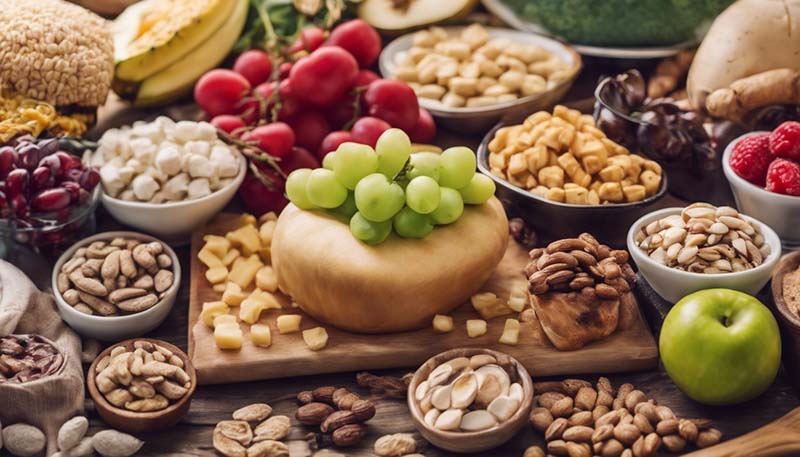
Chicken breast, turkey breast, lean ground poultry, eggs, egg whites, Greek yogurt, cottage cheese, whey or casein protein powder, fish (salmon, cod, tuna), shellfish (shrimp, scallops), lean cuts of beef (sirloin, tenderloin), pork tenderloin.
Plant-Based Proteins
Lentils, chickpeas, black beans, tofu, tempeh, edamame, hemp seeds, chia seeds, pumpkin seeds, spirulina, pea protein powder. Note: Plant proteins are often "incomplete," meaning you need to combine sources (e.g., beans and rice) throughout the day to get all essential amino acids.
The Supporting Cast
Non-starchy vegetables: Spinach, kale, broccoli, cauliflower, peppers, mushrooms, zucchini, asparagus, Brussels sprouts, leafy greens.
Healthy fats: Avocado, olive oil, nuts, seeds.
Complex carbs: Quinoa, brown rice, sweet potato, oats, berries, apples.
3 Mistakes Everyone Makes on a Protein Diet (And How to Avoid Them)
I've seen these derail more progress than anything else.
1. Neglecting Fiber and Water
A sudden, large increase in protein without a corresponding increase in water and fiber can lead to... digestive discomfort. Constipation is a common complaint. The fix is simple: drink more water than you think you need, and make vegetables a non-negotiable part of every single meal.
2. Overlooking Protein Quality and Cooking Methods
Breading and deep-frying your chicken turns a lean protein into a fat and calorie bomb. Smothering your steak in sugary sauce defeats the purpose. Focus on lean cuts and clean cooking methods. Season generously with herbs, spices, garlic, lemon—not with heavy, calorie-dense sauces.
3. Treating It as a Short-Term "Crash" Diet
The biggest mindset error. If you go back to your old eating habits on Day 8, you'll regain the weight. This 7-day plan is a template, a reset, a demonstration of how to structure your meals. The goal is to adopt its principles long-term, not to endure it for a week and quit.
What to Do After the 7 Days Are Over
Don't just stop. Use this as a launchpad.
First, assess how you feel. Are you less hungry? Do you have more stable energy? If it worked, continue the pattern. You don't need to follow the exact same menu, but keep the protein-centric plate structure.
Second, you can slightly increase your carbohydrate or fat intake if you're adding more intense exercise or if you feel your energy is dipping. Add an extra half-cup of oats at breakfast or a larger sweet potato at dinner.
Third, consider cycling. Some people thrive on a consistent high-protein approach. Others do well with 5-6 days of higher protein and 1-2 days with a more balanced macronutrient split. Listen to your body and your social life.
Your Burning Questions About Protein Diets, Answered
This is crucial. If you have pre-existing kidney disease, you must consult your doctor or a registered dietitian before significantly increasing your protein intake. For individuals with healthy kidneys, numerous studies, including those cited by organizations like the National Kidney Foundation, indicate that high-protein diets do not harm kidney function. However, starting any new diet plan with a health condition warrants professional guidance.
Absolutely, but it requires more planning. You'll rely heavily on lentils, chickpeas, black beans, tofu, tempeh, edamame, and seitan. Protein powders made from pea, rice, or hemp are almost essential to hit your daily targets comfortably. A sample vegan day: Tofu scramble for breakfast, lentil soup and a tempeh sandwich for lunch, chickpea and vegetable curry for dinner, and a pea protein shake as a snack. Remember to combine different plant protein sources throughout the day.
This is a good sign—it means the satiety effect is working. Don't force yourself to eat if you're genuinely not hungry. First, check if you're drinking enough water; sometimes thirst masks itself as hunger, but the opposite (fullness) can happen too. Second, you can slightly reduce portion sizes, especially of the non-protein components (carbs and fats). The protein target is a goal to aim for, not a strict law you must meet if you're feeling overly full. It's better to eat slightly less and feel good than to overeat and feel bloated.
The high protein intake provides a strong protective signal to your body to preserve muscle, much more so than a standard or low-protein diet. However, it's not a magic force field. To maximize muscle retention (and even build some if you're new to training), you need to give your muscles a reason to stay. That reason is resistance training. Bodyweight exercises like push-ups, squats, and lunges done 2-3 times a week are sufficient. The diet protects, but exercise commands.
They cook all their protein plain and dry, leading to "food fatigue" by Day 3. The trick is to use different marinades and seasonings before you cook. Portion out your chicken breasts: put one in a lemon-herb marinade, another in a yogurt-tandoori spice mix, a third in a sugar-free barbecue sauce. Cook them all at once, and you have variety for the week. Also, hard-boil a dozen eggs on Sunday. They're the ultimate grab-and-go protein snack.