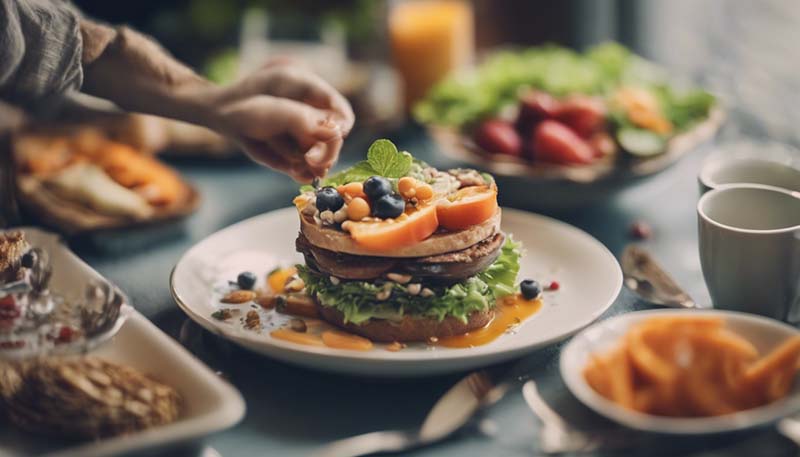
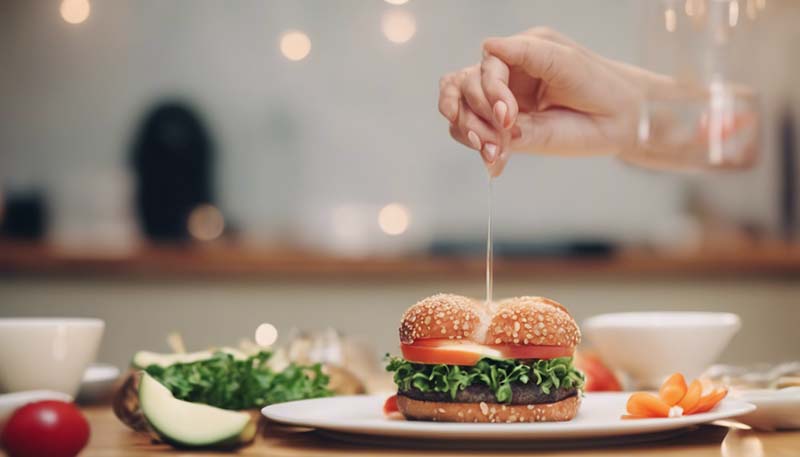
Let's cut through the noise. When most people hear "gluten-free," they think of a restrictive medical diet for celiac disease. But after years of navigating this space with clients, I've seen the landscape shift. The real story of gluten-free diet benefits isn't confined to a single diagnosis. It's about a spectrum of positive changes that can happen when you remove a common inflammatory trigger. For some, it's a medical necessity. For others, it's a strategic choice that quiets chronic inflammation, resets digestion, and even clears up stubborn brain fog. This isn't about jumping on a fad. It's about understanding what your body might be telling you when it reacts to gluten.
What You'll Discover in This Guide
Who Actually Benefits from a Gluten-Free Diet?
This is where most articles get it wrong. They present a binary world: you have celiac disease, or you're just following a trend. The reality is far more nuanced. Based on clinical observations and research from sources like the National Library of Medicine, the population that sees genuine benefits breaks down into three clear groups.
The first group is non-negotiable: individuals with celiac disease, an autoimmune disorder where gluten damages the small intestine. For them, a gluten-free diet is the only treatment.
The second, and much larger, group consists of people with non-celiac gluten sensitivity (NCGS). These folks test negative for celiac and wheat allergy, yet their symptoms—bloating, fatigue, headaches, joint pain—consistently improve when gluten is removed. I've worked with countless clients whose doctors found "nothing wrong," but who found profound relief here.
The third group is often overlooked: people with other autoimmune or inflammatory conditions. While not a cure, many individuals with Hashimoto's thyroiditis, rheumatoid arthritis, or psoriasis report a significant reduction in flare-ups and inflammatory markers on a gluten-free diet. The theory is that gluten can increase intestinal permeability ("leaky gut"), allowing particles into the bloodstream that may trigger or worsen immune responses.
The Top 3 Health Benefits You Might Experience
Beyond managing specific conditions, what does a well-executed gluten-free diet actually do for your general health? These are the changes my clients report most frequently.
1. Reduced Systemic Inflammation
This is the big one. Gluten can trigger the release of zonulin, a protein that regulates intestinal tight junctions. For susceptible individuals, this can lead to increased gut permeability. When undigested food particles and toxins leak into the bloodstream, the body's immune system mounts a response—chronic, low-grade inflammation. Cutting out gluten removes this trigger. Clients often say they feel "less puffy," their joints ache less, and skin conditions like eczema calm down. It's not magic; it's removing a persistent irritant.
2. Improved Digestive Health and Nutrient Absorption
For those with sensitivity, gluten can wreak havoc on the digestive tract, causing bloating, gas, diarrhea, or constipation. Removing it allows the gut lining to heal. But here's the expert insight everyone misses: the benefit isn't just from the removal. It's from what you often add. A smart gluten-free diet forces you to explore alternative grains and starches like quinoa, buckwheat, rice, and sweet potatoes. Many of these are richer in certain vitamins, minerals, and fiber than the refined wheat products they replace. A healed gut plus more nutrient-dense foods equals better overall absorption.
3. Increased Energy and Mental Clarity
The "brain fog" lift is real and frequently reported. The connection between gut health and brain function (the gut-brain axis) is well-established. When inflammation in the gut decreases and nutrient absorption improves, the energy your body was using to fight inflammation becomes available for other tasks. People describe feeling more alert, having steadier energy throughout the day without the post-laptop slump, and improved focus. It's one of the most satisfying benefits to witness.
| Common Gluten-Containing Foods | Smart Gluten-Free Swaps | Potential Benefit of the Swap |
|---|---|---|
| White bread, pasta | Quinoa, lentil pasta, sweet potato | Higher protein, fiber, and micronutrient content |
| Commercial cereals | Oats (certified GF), chia seed pudding | Lower sugar, higher satiety and omega-3s |
| Soy sauce, processed sauces | Tamari (GF), homemade sauces with spices | Reduced sodium and hidden additives |
| Beer | Hard cider, wine, gluten-free craft beer | Often lower in fermentable carbs (FODMAPs) |
How to Start a Gluten-Free Diet the Right Way
Going gluten-free isn't just about buying a different loaf of bread. Doing it poorly can leave you nutrient-deficient and frustrated. Here's the step-by-step approach I use with new clients.
First, become a label detective. Gluten hides in surprising places: soy sauce, salad dressings, soups, spice blends, and even some medications. Look for "wheat," "barley," "rye," "malt," and "brewer's yeast." The term "gluten-free" is now a regulated label in many countries, making it easier.
Second, focus on whole, naturally gluten-free foods. Build your plates around vegetables, fruits, lean proteins (meat, fish, eggs, legumes), nuts, seeds, and dairy (if tolerated). This should be 80% of your diet. Relying on processed "gluten-free" snacks and breads is the fast track to failure—they're often high in sugar and refined starches.
Third, plan for cross-contamination. At home, dedicate a separate toaster, use clean condiment jars (no double-dipping knives from wheat bread), and be vigilant about shared cooking surfaces. When eating out, don't be shy about asking questions. A truly gluten-sensitive person can react to crumbs.
Let me give you a personal snapshot. My own breakfast shifted from quick toast to a bowl of full-fat Greek yogurt with berries, chia seeds, and a handful of almonds. The difference in my mid-morning energy and focus wasn't subtle. It was a clear, tangible upgrade.
The Gluten-Free Mistake Almost Everyone Makes
Here's the non-consensus view after a decade in nutrition: the biggest pitfall isn't accidentally eating gluten. It's replacing gluten with junk.
The food industry saw the gluten-free trend coming and flooded the market with products that are technically gluten-free but nutritionally void. Gluten-free cookies, cakes, crackers, and pretzels are still cookies, cakes, crackers, and pretzels. They're made with refined rice flour, tapioca starch, and potato starch—ingredients that can spike blood sugar even faster than their wheat counterparts. I've seen clients gain weight, feel sluggish, and develop new digestive issues on a diet of these processed substitutes.
The solution? Treat these packaged gluten-free goods like occasional treats, not staples. The core of your diet must be foods that don't need a "free-from" label: spinach, salmon, avocados, eggs, blueberries. That's where the real health benefits live.
-
Signs You're Doing Gluten-Free Wrong:
- Your grocery cart is full of boxes labeled "Gluten-Free" but not much from the produce section.
- You feel hungry an hour after eating a gluten-free meal.
- Your energy levels are worse, not better.
- You're spending a fortune on specialty products.
Your Gluten-Free Questions, Answered
Can a gluten-free diet help with weight loss?
It can, but not directly because gluten is removed. If switching to a gluten-free diet leads you to eat more whole foods, vegetables, and lean proteins while cutting out processed carbs like pastries and pasta, you'll likely lose weight. However, if you simply swap regular pizza for gluten-free pizza and regular cookies for gluten-free cookies, you probably won't see a change—you might even gain weight due to the higher fat and sugar content in some substitutes. The diet itself isn't a weight-loss protocol; the dietary upgrade that often accompanies it is.
Is a gluten-free diet inherently healthier?
No, not inherently. For someone without gluten sensitivity, a diet rich in whole-grain wheat, barley, and rye can be very healthy, providing valuable fiber and nutrients. A gluten-free diet is healthier only for those who are intolerant to gluten. For them, it removes a source of inflammation and allows for gut healing. For everyone else, its health value depends entirely on the quality of foods chosen to replace gluten-containing ones.
I get bloated after eating bread, but tests for celiac are negative. What's going on?
This is the classic profile of non-celiac gluten sensitivity (NCGS). The medical community now widely recognizes it. However, there's another layer: it might not be the gluten itself, but the FODMAPs (fermentable carbohydrates) in wheat, particularly fructans. Many people sensitive to gluten are actually reacting to these carbs. An elimination diet under the guidance of a dietitian can help pinpoint the exact trigger—whether it's gluten, fructans, or something else entirely.
Are oats gluten-free?
Oats are naturally gluten-free, but they are almost always contaminated with wheat, barley, or rye during growing and processing. Therefore, if you have celiac disease or severe sensitivity, you must eat only oats that are specifically labeled "certified gluten-free." These are grown and processed in dedicated facilities to avoid cross-contamination.
What's the first thing I should do if I think gluten is a problem for me?
Document your symptoms meticulously for two weeks while eating normally. Then, consult with your doctor to rule out celiac disease (remember, get tested first). If celiac is ruled out, consider a strict, 100% gluten-free elimination trial for 4-6 weeks. Keep a symptom journal. After that period, reintroduce a significant amount of gluten (like two slices of bread) over a couple of days and note any reactions. This self-experiment, done properly, can provide powerful personal data. For best results, work with a registered dietitian who specializes in food sensitivities.
The journey into gluten-free eating is personal. For some, it's a medical mandate. For others, it's an experiment in listening to the body. The benefits—reduced inflammation, better digestion, clearer thinking—are real for a significant portion of the population. But the key is to approach it as a shift toward whole-food nutrition, not just a substitution game. Ditch the processed gluten, but more importantly, embrace the vegetables, quality proteins, and naturally gluten-free grains that have nourished humans for millennia. That's where the lasting health upgrade happens.