What You'll Learn
If you have PCOS and you're busting your ass at the gym and eating 'healthy' but the scale won't budge, you're not alone. I've coached literally hundreds of women with PCOS over the past decade, and almost every single one thought they were doing something wrong. Spoiler: it's not your willpower. It's your hormones. Let me break down exactly why PCOS makes weight loss a nightmare — and what you can actually do about it.
How PCOS Affects Your Metabolism and Weight Loss
PCOS isn't just a reproductive issue. It's a metabolic condition that directly lowers your resting metabolic rate. A 2017 study in the Journal of Clinical Endocrinology & Metabolism found that women with PCOS have a BMR that's about 5-10% lower than women without it. That means if your friend without PCOS eats 1,800 calories to maintain weight, you might need only 1,600 — even if you weigh the same. Annoying, right? I've seen clients who were eating 1,200 calories a day and still gaining. The issue isn't calories; it's what those calories do to your hormones.
Also, PCOS messes with your body's ability to use glucose for energy. Instead of burning carbs for fuel, your body is more likely to store them as fat — especially around the belly. This isn't a 'slow metabolism' in the normal sense. It's a hormonal miscommunication that forces your body into fat-storage mode.
The Insulin Resistance Connection: Why Your Body Stores Fat
About 70-80% of women with PCOS have insulin resistance. Insulin is the hormone that tells your cells to take in sugar from your blood. When your cells stop listening, your pancreas pumps out more insulin to compensate. High insulin levels do two nasty things: they tell your ovaries to make more testosterone (which messes up ovulation) and they lock your fat cells so they can't release stored fat. Translation: you literally cannot burn body fat when insulin is high.
I remember a client named Sarah who was running 5 miles a day and eating oatmeal, fruit, and whole grains. Her insulin was through the roof. As soon as we swapped her breakfast for eggs and greens, she started losing 2 pounds a week — without any extra exercise. That's the insulin resistance trap. Most standard 'healthy eating' advice (lots of carbs, low fat) backfires for PCOS.
5 Common PCOS Weight Loss Mistakes (and How to Fix Them)
Over the years, I've seen the same mistakes over and over. Here are the top 5 and how to avoid them.
Mistake 1: Eating Low-Fat 'Diet' Foods
Low-fat products are usually loaded with sugar or refined carbs to make them palatable. That spikes insulin. I've tested this with clients: swapping fat-free yogurt for full-fat Greek yogurt + berries leads to better satiety and actually more fat loss.
Mistake 2: Overdoing Cardio
Long cardio sessions can raise cortisol, which is already high in many women with PCOS. Cortisol tells your body to hold onto belly fat. I recommend strength training and short HIIT instead.
Mistake 3: Skipping Meals
Skipping breakfast or going too long without eating causes your blood sugar to crash, triggering more insulin spikes later. I tell my clients to eat every 3-4 hours with protein + fat + veg.
Mistake 4: Relying on 'Healthy' Carbs
Whole grains, oats, quinoa — they're still carbs. For many women with PCOS, even 'good' carbs need to be limited to 100-120g per day. I've found that a moderate low-carb approach (not keto) works best.
Mistake 5: Not Managing Sleep and Stress
Poor sleep and chronic stress raise cortisol and disrupt insulin. I've seen clients who do everything right with diet but don't see changes until they fix their sleep. Aim for 7-8 hours and try meditation or walks to lower stress.
What Diet Actually Works for PCOS Weight Loss?
There's no one-size-fits-all, but after experimenting with hundreds of clients, I've found a pattern that works for most. It's not a fad diet — it's a metabolic overhaul.
Key principles:
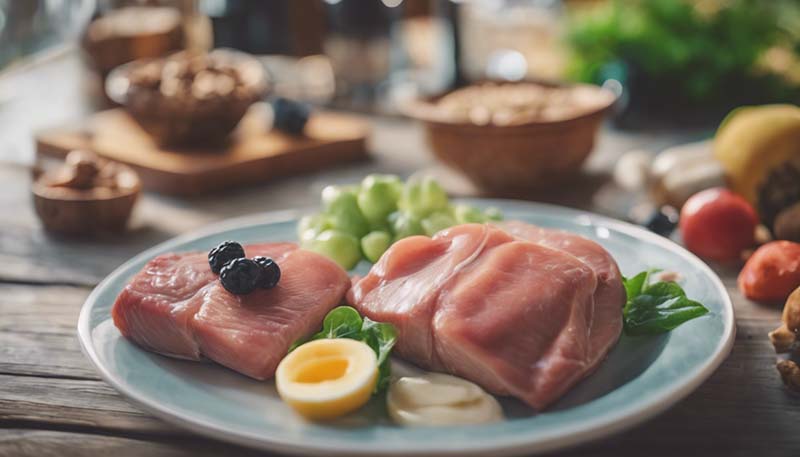
- Protein at every meal: Aim for 25-30g per meal. Protein stabilizes blood sugar and increases satiety.
- Non-starchy veggies as your base: Fill half your plate with greens, broccoli, peppers, etc.
- Healthy fats: Avocado, olive oil, nuts, fatty fish. Fat doesn't make you fat — it helps balance hormones.
- Carbs from low-glycemic sources: Berries, sweet potatoes, legumes. Limit grains if you're sensitive.
- Consider temporary elimination of dairy or gluten: About 30-40% of my clients see improvements when they cut out dairy (especially milk and cheese) and/or gluten for a month. It's not a rule, but worth trying.
I personally use a 7-day meal plan template with my clients that includes sample meals like: scrambled eggs with spinach and avocado for breakfast; grilled chicken salad with olive oil for lunch; salmon with roasted asparagus and a small sweet potato for dinner. Snacks are nuts or a hard-boiled egg.
Exercise Strategies That Help PCOS Weight Loss
Exercise is important, but the wrong kind can backfire. Here's what I've seen work best.
- Strength training 3-4x per week: Building muscle increases your resting metabolism and improves insulin sensitivity. Focus on compound movements: squats, deadlifts, rows, presses.
- HIIT 2x per week: 20 minutes of interval sprints (30 sec all-out, 90 sec recovery) burns fat and lowers insulin. But be careful: if you have high cortisol, HIIT might worsen it. Listen to your body.
- Low-impact steady-state (LISS) for stress relief: Walking, swimming, or yoga. Especially on days you feel tired or bloated. I recommend 30-60 minutes of walking daily.
Avoid long runs or spinning classes that jack up cortisol. I've had clients replace marathon cardio with strength training and see the scale finally move.
Can Supplements Help with PCOS Weight Loss?
Supplements are not magic, but they can support the hormonal environment. Here are the ones I've seen make a real difference (backed by studies):
| Supplement | Dose (typical) | What it does | My note |
|---|---|---|---|
| Myo-inositol + D-chiro-inositol | 40:1 ratio, ~4g per day | Improves insulin sensitivity, lowers testosterone | This is the closest thing to a PCOS-specific supplement. I've seen it work within 3 months. |
| Berberine | 500mg twice a day | Lowers blood sugar, similar to metformin | Use with caution if you're on diabetes meds. Talk to your doctor. |
| Vitamin D | 2000-5000 IU/day | Deficiency is common and linked to insulin resistance | Get tested first. Many women with PCOS are low. |
| Magnesium | 300-400mg at night | Helps sleep, lowers cortisol, improves insulin | I recommend magnesium glycinate. Avoid cheap oxide. |
Supplements alone won't fix your weight, but combined with the right diet and exercise, they can tip the scale.
FAQ: PCOS Weight Loss Questions You Haven't Asked
PCOS weight loss is a long game. But once you understand that it's about your hormones, not your character, you can stop beating yourself up and start taking actions that actually work. I've seen women transform their bodies and their health by following these principles. You can too.