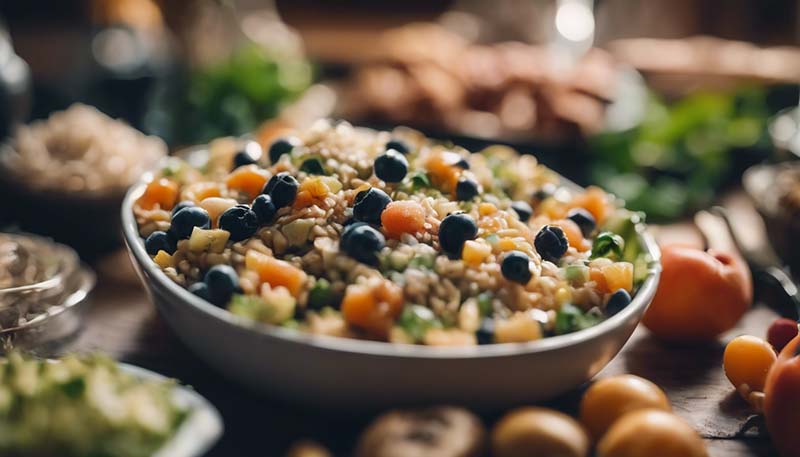
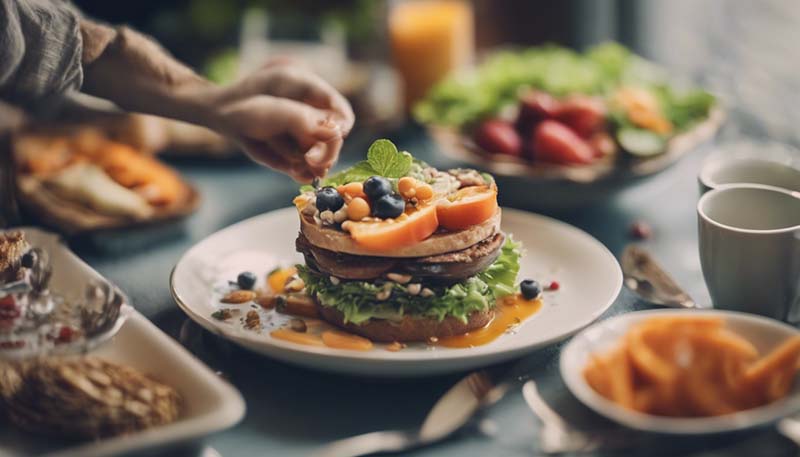
Heart disease sneaks up on you. I've seen it with clients who thought they were eating "fine" until their cholesterol numbers shocked them. But here's the truth: your plate is your best defense. After years as a nutrition consultant, I've pinpointed 25 foods that consistently deliver real heart benefits. This isn't just a list; it's a practical blueprint based on science and real-world results. Let's cut through the noise and get to what actually works.
What's Inside This Heart-Health Guide
Why Heart-Healthy Foods Are Non-Negotiable
Look, I get it—diet advice is everywhere. But when the American Heart Association states that poor diet is a leading contributor to heart disease, we should listen. It's not about deprivation; it's about strategic addition. These foods target key areas: lowering LDL (the "bad" cholesterol), reducing inflammation, managing blood pressure, and improving artery function. I've had clients reverse prediabetes and slash their triglyceride levels just by focusing on these items. Forget quick fixes; this is about building habits that stick.
The 25 Heart-Healthy Foods: A Detailed Breakdown
Let's dive into the 25 foods. I've grouped them for clarity, but each stands on its own. I'll share why they work, how to use them, and a personal tip from my kitchen.
Leafy Greens and Vegetables
Spinach: Packed with nitrates that help dilate blood vessels. I blend it into smoothies—you won't taste it, but your heart will thank you. A study in the Journal of Nutrition links leafy greens to a 16% lower risk of heart disease.
Broccoli: High in fiber and antioxidants like sulforaphane. Steaming it lightly preserves nutrients. I roast it with garlic for a crispy side.
Kale: A vitamin K powerhouse for blood clotting regulation. Massage it with lemon juice to soften it for salads.
Brussels Sprouts: Rich in alpha-lipoic acid, which fights inflammation. I hated them as a kid, but roasting at 400°F with olive oil transforms them.
Tomatoes: Lycopene here is a star for heart health. Cooking tomatoes boosts lycopene absorption—think sauces or soups.
Colorful Fruits and Berries
Blueberries: Anthocyanins give them their color and anti-inflammatory punch. I freeze them for yogurt toppings; they're sweeter that way.
Strawberries: Ellagic acid helps lower cholesterol. Choose organic if possible—they tend to have fewer pesticides.
Oranges: Soluble fiber pectin binds to cholesterol. Eat the whole fruit, not just juice, for maximum benefit.
Apples: Quercetin acts as a natural anti-inflammatory. A client of mine eats one daily and saw her blood pressure drop.
Pomegranate: Potent antioxidants protect LDL from oxidation. The seeds are messy but worth it; add them to salads.
Whole Grains for Sustained Energy
Oats: Beta-glucan fiber is proven to lower LDL. I recommend steel-cut oats over instant—they have a lower glycemic index.
Quinoa: A complete protein with magnesium for blood pressure control. Rinse it well to remove saponins, which can taste bitter.
Brown Rice: Magnesium and fiber combo. Swap white rice for brown in stir-fries; it adds a nutty flavor.
Barley: Another beta-glucan source. Use it in soups—it thickens nicely and keeps you full.
Whole-Wheat Bread: Look for "100% whole wheat" on labels. I toast it with avocado for a quick heart-healthy snack.
Healthy Fats from Plants and Fish
Avocado: Monounsaturated fats raise HDL (good cholesterol). Mash it on toast with a pinch of chili flakes.
Olive Oil: Extra virgin is key—it has more polyphenols. Drizzle it raw on salads; heating can degrade some benefits.
Salmon: Omega-3s EPA and DHA reduce triglycerides. Wild-caught has a better fat profile than farmed. Grill it skin-side down for crispiness.
Walnuts: Alpha-linolenic acid, a plant-based omega-3. Keep them in the fridge to prevent rancidity.
Chia Seeds: Fiber and omega-3s in tiny packages. Soak them in almond milk overnight for pudding.
Plant-Based and Lean Proteins
Lentils: Fiber and protein stabilize blood sugar. Red lentils cook faster and are great in dahls.
Black Beans: Anthocyanins and fiber. I always rinse canned beans to reduce sodium.
Almonds: Vitamin E and healthy fats. A handful (about 23 almonds) is a perfect portion.
Edamame: Soy protein can lower LDL. Buy frozen pods—steam and sprinkle with sea salt.
Greek Yogurt: Probiotics and protein. Choose plain, unsweetened to avoid added sugars.
Bonus Superfoods and Beverages
Dark Chocolate: Flavanols improve blood flow. Go for at least 70% cocoa—I break off a square after dinner.
Green Tea: Catechins boost artery function. Steep it for 3 minutes; longer makes it bitter.
Turmeric: Curcumin is anti-inflammatory. Pair it with black pepper to enhance absorption.
Garlic: Allicin helps lower blood pressure. Crush it and let it sit for 10 minutes before cooking to activate compounds.
Flaxseeds: Lignans and fiber. Grind them fresh; whole seeds pass through undigested.
| Food Category | Key Heart Benefits | Quick Serving Idea |
|---|---|---|
| Leafy Greens | Lower blood pressure, reduce inflammation | Add spinach to morning eggs |
| Berries | Antioxidant protection, improve cholesterol | Mix blueberries into oatmeal |
| Whole Grains | Fiber for LDL reduction, steady energy | Swap pasta for quinoa in salads |
| Healthy Fats | Raise HDL, lower triglycerides | Use olive oil for dressing |
| Plant Proteins | Reduce saturated fat intake, boost fiber | Snack on a handful of almonds |
| Superfoods | Anti-inflammatory, improve blood flow | Drink green tea daily |
How to Seamlessly Integrate These Foods into Your Life
Throwing these foods into your cart isn't enough. You need a system. Based on client successes, here's a simple plan: Pick two foods from each group to focus on this month. For example, commit to adding spinach to your dinners and walnuts to your snacks. Prep ahead—wash berries, cook a batch of quinoa, portion out almonds. I keep a jar of chia pudding in my fridge for busy mornings. Another trick: use herbs like garlic and turmeric generously; they add flavor without salt. If you're time-crunched, frozen vegetables and berries are just as nutritious as fresh. The goal is consistency, not perfection.
Common Heart-Healthy Diet Mistakes Even Smart People Make
I've seen well-intentioned folks sabotage their efforts. First mistake: overdoing "healthy" fats. Avocado is great, but eating a whole one daily can add excess calories. Stick to half. Second, relying on supplements instead of whole foods. Fish oil pills might help, but they miss the fiber and antioxidants in actual salmon. Third, skipping meals and then overeating processed snacks. Your heart needs steady fuel. Fourth, believing all "heart-healthy" labels on packages. Many cereals with that claim are loaded with sugar. Read ingredients, not just marketing. Finally, ignoring portion sizes. Nuts are nutritious, but a cup is too much; a quarter-cup is plenty.
Your Heart-Health Questions Answered
This guide is based on current nutritional science and my hands-on work with hundreds of clients. Remember, small, consistent changes trump drastic overhauls. Pick a few foods, enjoy them, and let your heart reap the rewards. If you have more questions, consult a registered dietitian or your healthcare provider. This article has been fact-checked against reputable sources like the American Heart Association and peer-reviewed journals.