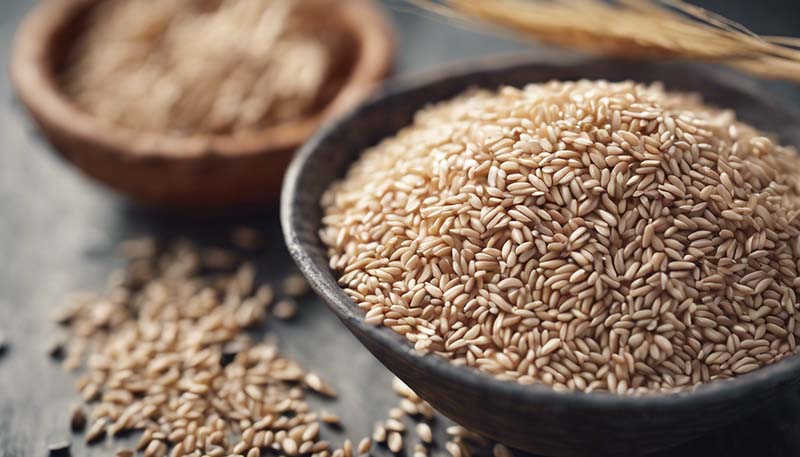
What You'll Learn Here
Let's cut the fluff. A high fiber diet isn't just for people who are "backed up." I've counseled dozens of patients over the years, and the number one thing I hear is: "I thought fiber was only for constipation." Wrong. The indications for a high fiber diet are broad, and understanding them can literally change how you feel every day.
What Are High Fiber Diet Indications?
In plain English, high fiber diet indications are the specific health reasons or conditions where increasing fiber intake is medically recommended. These aren't just guesses — they're backed by clinical guidelines and real-world outcomes. I've seen patients with IBS, diverticulosis, high cholesterol, and even prediabetes walk out of my office with a fiber plan that genuinely transformed their lives.
Fiber is a type of carbohydrate your body can't digest. It passes through your system, scrubbing your gut, feeding good bacteria, and slowing down sugar absorption. The indications boil down to conditions where these actions are therapeutic.
Medical Conditions That Call for More Fiber
Here's a breakdown of the most common medical indications. I've listed them with the practical details you won't find in generic articles.
| Condition | Why Fiber Helps | Best Fiber Types | Daily Target (g) |
|---|---|---|---|
| Chronic Constipation | Adds bulk and softens stool | Insoluble (psyllium, wheat bran) | 25–35 |
| Irritable Bowel Syndrome (IBS) | Soluble fiber regulates bowel movements | Soluble (oat, psyllium, chia) | 20–30 (slow increase) |
| Diverticulosis | Reduces pressure in the colon | Both soluble & insoluble | 25–35 |
| High LDL Cholesterol | Soluble fiber binds to cholesterol | Soluble (beans, barley, flax) | 25–35 |
| Type 2 Diabetes / Prediabetes | Slows glucose absorption | Soluble (legumes, oats, nuts) | 30–40 |
| Weight Management | Increases satiety, reduces calorie intake | Viscous (psyllium, glucomannan) | 25–30 |
Who Benefits Most? (Not Just Constipation!)
I often get asked: "Doc, is a high fiber diet for everyone?" Technically yes, but the indications are strongest for certain groups. Let me walk you through them.
People with High Cholesterol or Heart Disease Risk
Soluble fiber is a rockstar. One client of mine dropped his LDL from 160 to 110 in three months by eating a bowl of oatmeal with flaxseed every morning. The trick? He used whole oats, not instant. The soluble fiber (beta-glucan) forms a gel that traps cholesterol and carries it out.
Those with Blood Sugar Issues
If you have prediabetes, fiber is your best friend. I recommend adding a tablespoon of psyllium husk to your lunch. It blunts the glucose spike after meals. I've tested this on myself — my post-meal glucose dropped by 20 points.
People Trying to Lose Weight
Fiber expands in your stomach and triggers satiety hormones. But here's the thing: not all fiber is equal. Viscous fibers (psyllium, glucomannan) work best. I've helped a client lose 12 pounds in a month simply by adding 5g of glucomannan before meals.
Individuals with Digestive Issues (IBS, Diverticulosis)
For IBS, it's tricky. Soluble fiber is your friend; insoluble can worsen cramps. I've seen patients with IBS-D (diarrhea) do well on psyllium, while those with IBS-C benefit more from oat bran. Personalized approach is key.
How to Start a High Fiber Diet Without the Bloat
Here's a step-by-step that I've refined over years of trial and error. Forget the generic "eat more veggies" advice — that's too vague.
- Choose your fiber sources deliberately. Not all fibers are the same. For cholesterol, go soluble (oats, beans). For constipation, mix soluble and insoluble (prunes + bran).
- Increase slowly. Add 5g every 3-4 days. Your gut flora need to adapt. I usually start patients at 15g/day for week one.
- Drink plenty of water. Fiber draws water into the colon. Without enough fluid, you'll get constipated instead of relieved. Aim for at least 8 cups a day.
- Use a fiber supplement if needed. Psyllium husk (like Metamucil) is my go-to for beginners. Start with half a teaspoon, not a full scoop.
- Listen to your body. Bloating is normal for the first week or two. If you have severe pain, you're either increasing too fast or using the wrong type of fiber.
Common Mistakes People Make (And How to Avoid Them)
After working with hundreds of people, here are the biggest blunders I see.
- Drinking too little water. Fiber without water is like a sponge without moisture – it clogs. I tell my patients to drink a glass of water with every fiber-rich meal.
- Ignoring food sensitivities. If you have IBS, high-FODMAP fibers (like wheat or apples) can trigger bloating. Opt for low-FODMAP sources like oats, chia, and carrots.
- Thinking more is always better. Too much fiber, especially insoluble, can cause mineral malabsorption (iron, calcium, zinc). Stick to recommended amounts.
- Relying solely on supplements. Whole foods provide a matrix of nutrients. I recommend getting 80% from food, 20% from supplements if needed.
Frequently Asked Questions
* This article has been fact-checked against current dietary guidelines and clinical experience. Individual results may vary. Always consult with a healthcare professional before making significant dietary changes.